FOR EXHIBITORS & SPONSORS

Agenda

Tuesday, June 9
10:00am - 10:45am
 Email
Email
Texas 1, Level 3
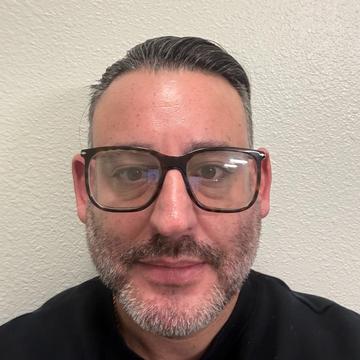
Small LP teams are often responsible for hundreds of stores, large physical spaces, high‑volume markets and elevated risk, yet despite a lean head count, the team is still expected to protect people, product and brand while contributing to profitability. The session investigates how J.Crew’s LP team maximizes impact with limited resources by prioritizing high‑value work, strengthening cross‑functional partnerships, leveraging technology to balance travel and using proactive safety programs — all grounded in a leadership philosophy built on thoughtful resource stewardship.



Texas D, Level 3
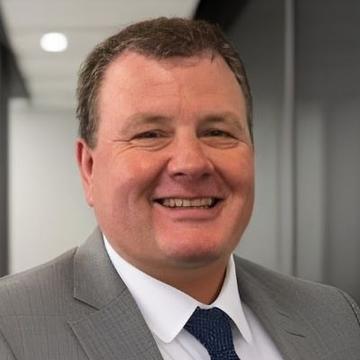
Retail crime doesn't stop at a single store, brand or jurisdiction. But most investigations still do.
In this session, retailers and law enforcement share how cross-retailer intelligence sharing and direct collaboration with law enforcement reveals what no single team can see alone. By linking cases across stores, retailers and jurisdictions, teams identify repeat offenders earlier, map patterns of movement and escalation, and take coordinated action before incidents multiply.
Powered by AI and connected network intelligence, this approach helps teams focus on the offenders driving the most harm across North America.


 Email
EmailTexas 4. Level 3
Supply chain cargo theft has entered a new era—one defined not by stolen trucks, but by fraud, identity deception, and cyber‑enabled schemes targeting high‑value retail shipments. In 2025 alone, losses surged nearly 60% to $725 million, despite flat incident volume, as criminal networks shifted to strategic theft tactics like fictitious pickups, broker scams, and bill‑of‑lading manipulation.
In this fast‑paced session, data experts and retail practitioners will break down how these schemes work, where supply chains are most vulnerable, and which countermeasures are proving effective right now. Attendees will leave with practical guidance on carrier vetting, pickup verification, and real‑time risk visibility—along with a clearer picture of what it takes to prevent six‑ and seven‑figure losses in 2026.



 Email
EmailTexas C, Level 3
Omnichannel retail has evolved faster than the tools designed to protect it. Offenders now move effortlessly between store and digital channels, exploiting the blind spots created by disconnected systems and siloed LP and fraud teams. In this session, industry leader John Matas introduces Unified Loss Orchestration — a practical operating model retailers can adopt themselves to finally see loss the way offenders do: across channels, not within them. Attendees will learn how to enrich in store transactions using the unused data points hidden in their online “digital exhaust,” creating a unified lens that strengthens investigations, connects the dots between commerce channels, and adds meaningful analytical firepower to the systems they already own.

2:45pm - 3:30pm
Texas D, Level 3
As retailers rethink how they measure and manage loss, a shift is underway - repositioning exception-based reporting traditionally focused on chasing bad guys, to an organizational resource delivering capital optimization. This session explores how Total Retail Loss transforms traditionally reactive AP data into an enterprise resource, placing high‑confidence insights into the hands of merchants, operators, finance, and store teams who can act early and make the greatest impact. Grocery represents the ultimate proving ground for this approach. With razor‑thin margins, complex operations, and constant cost pressure, it forces clarity where capital is truly at risk and where it delivers value. Attendees will walk away with a practical framework for repositioning Total Retail Loss strategies and exception-based reporting into strategic investments, aligning Asset Protection decisions to the broader initiatives of finance, operations, and the C-suite.


Texas 4. Level 3
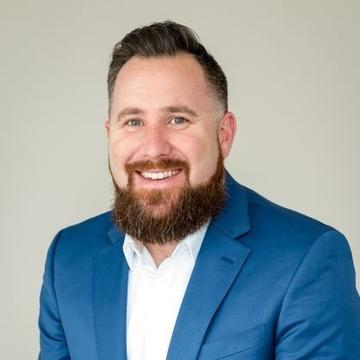
Join Wicklander-Zulawski CEO Dave Thompson as he hosts a live episode of the “Truth Be Told” podcast.
AI is rapidly entering the investigative toolbox — bringing both promise and risk. In this live “Truth Be Told” podcast recording, Thompson will be joined by Brandon May, PhD, a leading researcher in AI and interviewing science, to break down what today’s loss prevention and asset protection leaders need to know before adopting emerging tools. The two will explore where AI can genuinely enhance investigative work, its current scientific limitations, and the ethical, legal and reputational risks of misuse or overreliance. Attendees will gain practical guidance on bias, transparency, governance and the guardrails required for responsible implementation. Focused on clarity over hype, this conversation will equip decision‑makers with the right questions to ask as they evaluate AI’s role in sensitive, high‑stakes investigative environments.

Texas 1, Level 3
Explore how emerging leaders in retail asset protection are intentionally shaping their careers and expanding their impact. This dynamic panel features rising LP/AP professionals — from field roles to corporate and specialized positions — who will share the practical steps they’ve taken to grow: deepening industry knowledge, pursuing learning opportunities and building strong cross‑functional partnerships.
Attendees will gain insight into how engaging with industry groups, professional associations and community networks can accelerate development and broaden career pathways. Designed for professionals at any stage, this session offers clear guidance, real-world perspectives and actionable strategies to help you strengthen your career trajectory and build the competencies needed to thrive as an asset protection leader.

Mike Korso
Director of Asset Protection Intelligence & Resilience
Ulta Beauty

Dan Petrousek
Senior Vice President, Asset Protection
Ulta Beauty

Amber Adams
Director of Asset Protection
Louis Vuitton

Deana McLees Bailey
Senior Director of Asset Protection and Safety
Tapestry

Emi Luedtke
Sr. Manager of Investigations & Profit Protection
DICK’S Sporting Goods
EmailTexas C, Level 3
Fraud‑prevention strategies have traditionally been siloed — separated by inconsistent data access, differing mitigation methods and unclear ownership across teams. Because fraud manifests differently across business channels, many organizations struggle to build a unified, enterprise‑wide approach. In this session, you’ll learn how one of the largest and most complex retailers in the world is creating a business‑aligned fusion center to transform its fraud strategy. You’ll see how they are connecting disparate data sources, aligning teams and leveraging AI‑powered analytics to uncover gaps, strengthen link analysis and integrate fraud detection across the organization. Practical examples — including data visualizations, analytical maps, frameworks and tools — will bring this approach to life for retailers of all sizes.


3:45pm - 4:30pm
EmailTexas 4. Level 3
Retailers are adapting LP strategies to account for generational differences in technology adoption, communication preferences and expectations around psychological safety and culture.
Younger retail workers show significantly different safety and reporting behaviors, including a strong preference for anonymous reporting and a higher level of discomfort when it comes to confronting aggressive customers. Older workers tend to prefer legacy processes, are slower to adopt and adapt to new technologies, and tend to view surveillance differently. Is there a method for juggling generational dynamics.

Dani Perez
Asset Protection Training & Development Manager
The Winn-Dixie Company

Laura McClellan
Manager, Operations and Loss Prevention US Retail
Ariat International Inc.

Jennifer Dayss
Senior Manager Fraud & ORC Investigations
Signet Jewelers

Blue Montez
Director of Loss Prevention
Tilly's

David Lund, CFI, LPC, MBA
Executive Director
International Association of Interviewers
EmailTexas D, Level 3
As the retail industry faces escalating challenges from rising theft and workplace violence, the need for technological resilience has never been more urgent. Join industry experts and retail leadership for an in-depth look at how connected technology is fundamentally changing incident response, shifting the focus from reactive "gadgets" to proactive, end-to-end management solutions. We will discuss the impact of evolving legislation, such as the New York State Retail Worker Safety Act, and showcase the debut of a new category in wearable safety: a unified device that integrates voice, video, and AI-assisted communications. By bridging a legacy of communications reliability with advanced AI-driven video technology, this session demonstrates how retailers can empower their frontline associates, de-escalate tension in real-time.


 Email
EmailTexas 1, Level 3
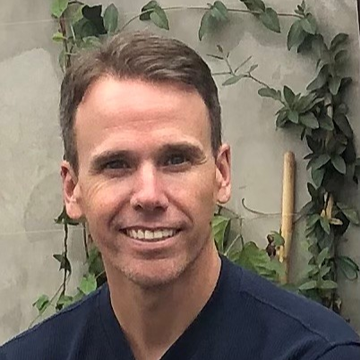
As global volatility accelerates, retail asset protection teams must be prepared to think holistically, act quickly and advise confidently. This session immerses attendees in two high-impact scenarios — one rooted in a recent global event and one projecting a plausible future threat. Guided by leaders with deep enterprise risk expertise, participants will examine how global developments can disrupt retail operations, influence consumer behavior and challenge brand protection efforts. The session emphasizes how AP/LP professionals can build global situational awareness, strengthen cross-functional communication and develop proactive strategies that safeguard people, product and reputation. Designed for all experience levels, this session equips attendees with a forward-looking lens and practical tools for navigating an unpredictable world.
Texas C, Level 3
Retailers are facing an alarming surge in phone‑based scams, fueled by increasingly sophisticated criminal tactics and the expanding reach of organized retail crime. Recent industry data shows that 70% of retailers experienced rising phone scams in the past year, marking one of the sharpest increases across all fraud categories. This session examines how criminals are exploiting phone‑based impersonation, AI‑generated voice technology and caller ID spoofing to deceive both customers and front-line retail employees. Panelists will also explore how phone scams act as gateways to broader fraud, including account takeovers, fraudulent returns, BOPIS exploitation and coordinated ORC activity targeting store teams. Attendees will leave with actionable insights into how retailers can strengthen defenses through cross‑functional fraud and AP collaboration, improved call verification processes, employee training and emerging AI‑based authentication technologies.


Wednesday, June 10
9:00am - 9:45am
EmailTexas 1, Level 3
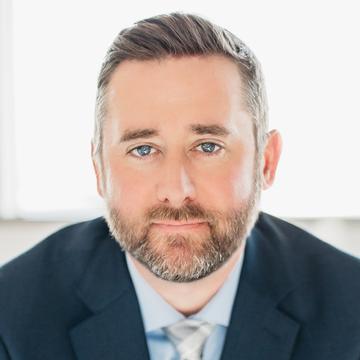
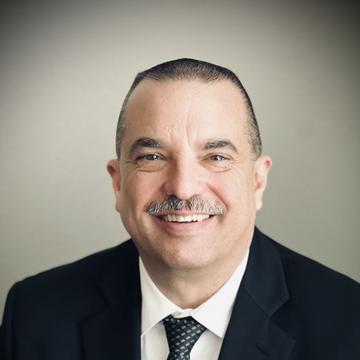
In an era where shopping centers serve as vital community hubs, maintaining safety and security requires a proactive, multi-layered, tech-driven ecosystem. Learn from a panel of property security leaders about cutting-edge technology and unified, strategic partnerships they use to build trust for their customers and provide a safe and secure environment for your customers.

 Email
EmailTexas C, Level 3
What happens when an asset protection team reimagines the way stores get help? It builds B.E.C.K.I. — a virtual AP Manager fueled by AI and born from design thinking. Join us on the innovation journey: Uncovering store frustrations, brainstorming bold ideas and ultimately creating a tool that delivers instant support, clear answers and streamlined communication. After learning and applying the key concepts of design thinking, attendees will learn how EssilorLuxottica tackled the project, and will walk away inspired by how design thinking plus AI can redefine efficiency, elevate the store experience and reshape risk management.
(All-Access Retail Pass Holders can register for the Design Thinking Workshop being held on Monday, June 8, 2026, from 1 - 3:15pm for a hands-on experience on how to utilize the design thinking process.)


 Email
EmailTexas D, Level 3
Return fraud has become one of retail’s fastest‑growing sources of loss — and one of the hardest to measure. In this 45‑minute panel, leading retail experts unpack the latest data on return fraud trends, the most common abuse patterns and why traditional loss prevention approaches often miss the full picture. Panelists will explore the internal challenges LP teams face, including measuring fraud at scale, clarifying ownership and aligning across departments. The discussion will highlight proven tactics for early detection, behavioral risk assessment and AI‑powered prevention methods. Attendees will leave with practical, actionable strategies to better identify fraudulent returns, protect loyal customers and strengthen their LP framework.




10:00am - 10:45am
Texas 1, Level 3
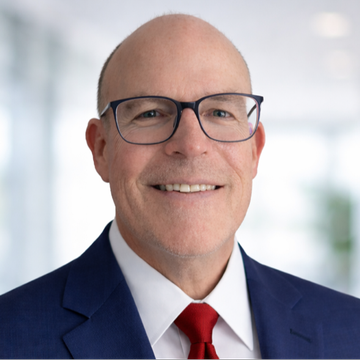
This presentation introduces a modern approach to loss prevention by transforming traditional store visits into virtual, camera-driven engagements. Using store-based camera systems, Guess? LP shifted to a face-to-face virtual model, gaining more engagement without the constraints of travel or scheduling barriers. This approach dramatically increases coverage, consistency and speed while enabling deeper coaching, follow-up and real-time training opportunities that are often impossible during in-person visits. Leveraging camera visibility allows LP to observe shipment processing, floor supervision, customer engagement, awareness, teamwork and overall operational discipline at any time of day or week. The result is sharper insights, stronger accountability and quicker corrective action. Most importantly, this model fosters a holistic partnership between loss prevention, district sales management and store leadership — aligning all teams around operational excellence, shrink reduction and improved customer experiences. This session will demonstrate how camera-driven audits elevate performance across the entire organization.

Texas C, Level 3
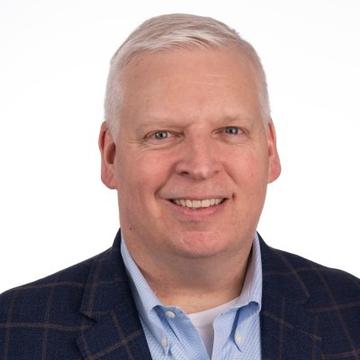
Today’s retail landscape is growing more complex, driving a profound shift in which asset protection professionals face both unprecedented opportunity and escalating challenges. The nature of risk itself is changing — retail domains are converging, and loss is expanding well beyond the singular metric of shrink. In this environment, traditional approaches to asset protection are no longer enough. This session brings a global perspective from two points of view on how organizations should be rethinking and rebuilding for greater efficiency and resiliency. Attendees will gain insight into total retail loss across organizational domains, alongside real-world strategies for executive risk management and enterprise security at scale. A key focus will be how artificial intelligence is reshaping retail risk: from predictive analytics, real‑time threat detection, and proactive intervention, to enhance both profit and business resiliency.


Texas D, Level 3
How prepared is your organization to address uncommon but high-impact workplace threats, including behaviors tied to sexual deviancy, suicidal individuals or conflicts involving third-party violence? These situations may fall outside standard WPV patterns, yet can pose serious risk and concerns to people, operations and brand trust. Attendees will revisit key principles of threat assessment and management before engaging in scenario-based discussions to challenge their thinking, strengthen decision-making and strengthen their program through collaborating and learning with their peers.